
How To Plan Your Dream Garden Hardscape & Planting Tips
Creating a garden that's both inviting and inspiring takes more than just planting flowers-it requires a thoughtful plan that balances hardscape, greenery, and usability. A well-designed outdoor space can feel like an extension of your home, offering a place to relax, entertain, or play, all while reflecting your personal style.
Planning Your Dream Outdoor Space

When tackling a yard with multiple projects, it's easy to feel overwhelmed. Having a clear plan can make all the difference. A landscape designer can help you visualize the big picture, suggest plants and hardscape elements, and create a cohesive design that works for your space and lifestyle.
Key Elements to Include in Your Landscape Plan
1. Hardscape Features:
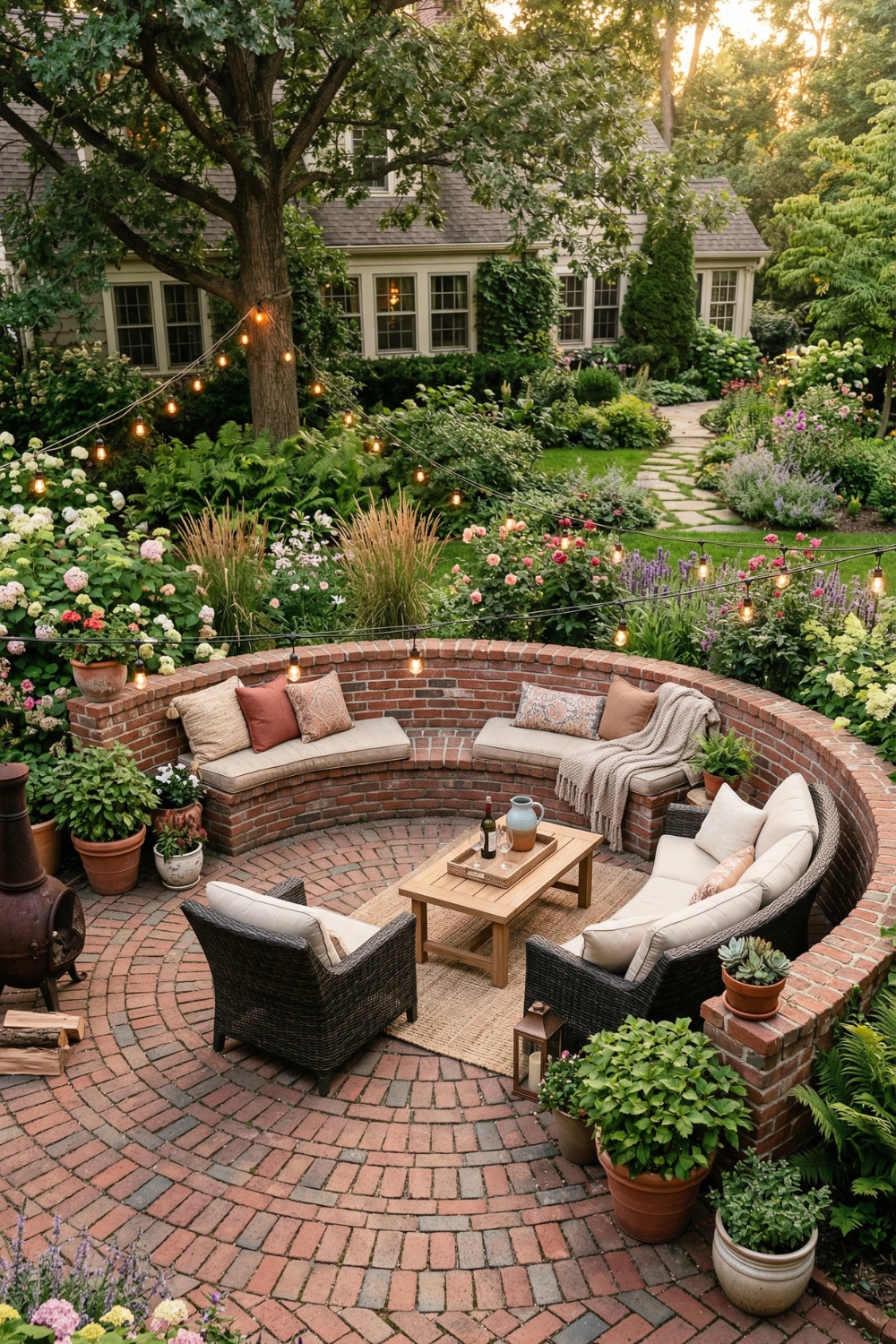
- Patios and Pathways: Consider creating a round patio for seating or entertaining, or incorporating flagstone paths to guide visitors through your garden. These elements add structure and accessibility.
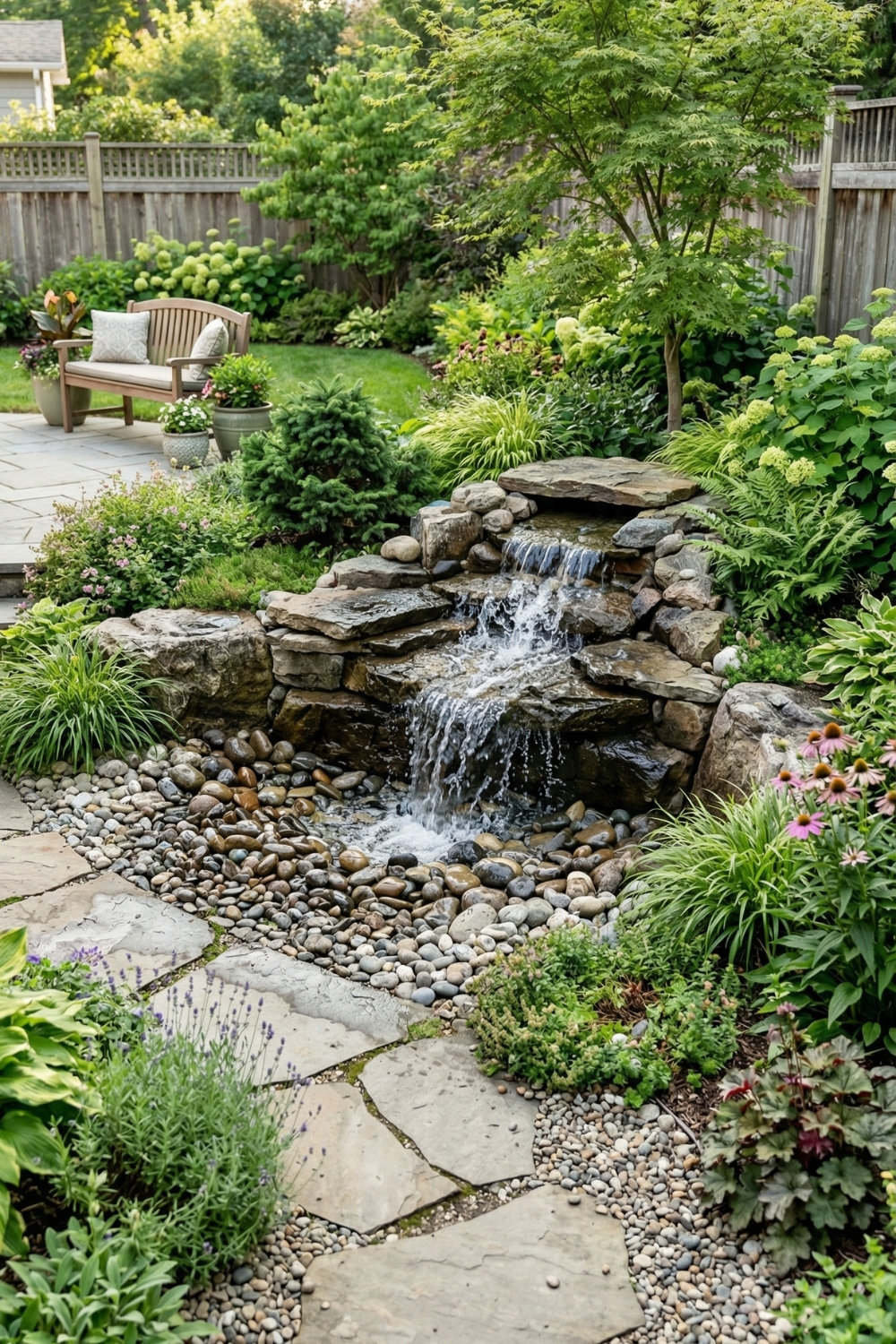
- Water Features: A pondless waterfall or small fountain brings the soothing sound of running water without the maintenance or safety concerns of a pond.
2. Plant Selection: A balanced mix of shrubs, trees, and perennials creates depth, color, and seasonal interest. Visual references such as photos or sketches help you imagine how plants will complement each other and your hardscape elements.
3. Inviting Entrances: Garden gates or arbors are more than decorative-they set the tone for your outdoor space. A gate can act as a welcoming focal point, beckoning visitors to explore and enjoy the garden.
4. Flexible Implementation: You don't need to complete everything at once. Start with one area, follow the plan, and gradually expand. This approach makes the project manageable and ensures each element is thoughtfully integrated.
Tips for Success:
- Hire a Landscape Designer: Even a single consultation can provide clarity and direction.
- Visualize Your Space: Collect images of plants, patios, and features to create a cohesive vision.
- Prioritize Features: Focus on key elements that matter most to your lifestyle, such as a play area for children, seating spaces, or low-maintenance water features.
- Plan for Growth: Consider how plants and structures will look and function over time.
With a detailed landscape plan, you can tackle your outdoor projects with confidence, knowing exactly where each plant, path, or hardscape element should go. The result is a garden that's not only beautiful but also functional, safe, and tailored to your family's needs.